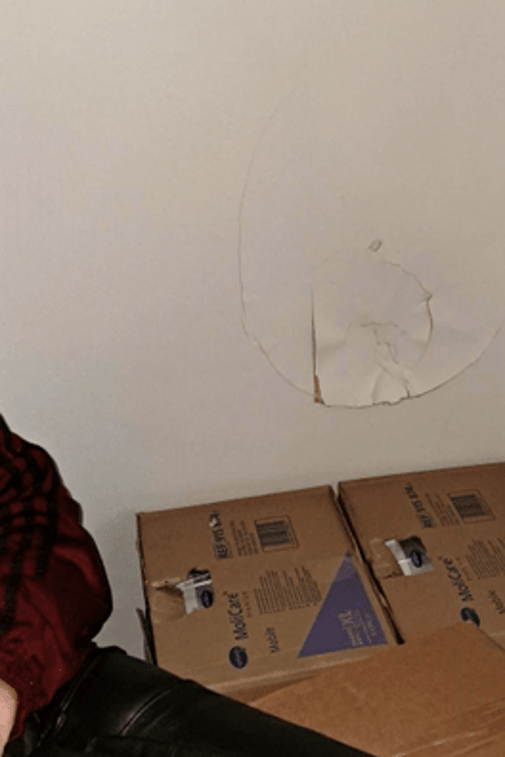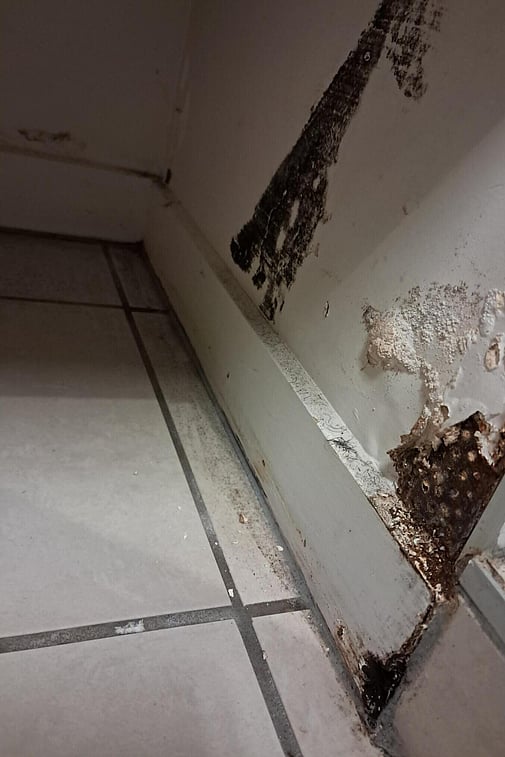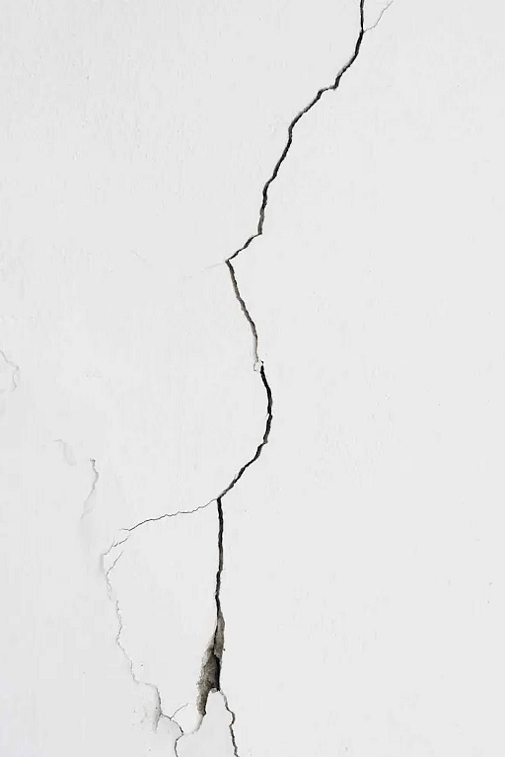
Cracks and movement damageRepairing cracks in plasterboard, plastered surfaces and cement fiber board, with the approach determined by the cause and whether further movement is expected.
Gib repair in Wellington
PLASTER & PLASTERBOARD REPAIR IN WELLINGTON
Cracks, holes, water damage and more
Walls and ceilings can be damaged in all sorts of ways — pressure, impact, water ingress, seismic or wind movement, or simply years of wear and tear. In our experience, the visible damage isn't usually the whole problem. A leak needs to be fixed before the ceiling is repaired; movement may need to be understood before filling a crack, so it doesn't open up again. Southerleigh looks at what has caused the damage, carries out the appropriate repairs and prepares the surface for painting, so you're not simply covering up the problem.
Lasting Gib repair is all about cause & effect
A successful plasterboard or Gib repair starts with understanding why the damage happened. The right approach for a hole caused by an accidental impact isn't necessarily the right approach for a crack caused by movement or a ceiling damaged by a leak. We look at the surrounding area and the likely cause before deciding how the repair should be carried out.
1. Water damage
A leak can leave plasterboard (GIB) swollen, stained or weakened. The source of the water needs to be dealt with first, otherwise even good plastering over the top of it may fail again.
2. Movement and plaster cracks
Wellington's seismic activity, wind and normal building movement can cause cracks to appear in the plaster on walls and ceilings. The way a crack is repaired depends on its location, size, movement and what is happening around it.
3. Impact damage
Holes, dents and damaged corners caused by furniture, doors, moving house or everyday accidents are usually more straightforward — but the repair still needs to blend properly with the surrounding surface.
4. Failed previous repairs
Sometimes the repair itself is the problem. Poorly filled cracks, visible patches and repairs that have opened up again may need to be cut back and redone rather than simply covered with another layer of filler.
5. Deterioration and wear
Older walls and ceilings can develop damaged joints, loose fixings, deteriorated surfaces and other problems over time. We assess what needs attention before preparing the surface for its final finish.
When problems outside make their way inside
To the owner, who was worried about visible mould, this bay window looked like a fairly typical plaster repair, with cracking, flaking and discolouration across the ceiling. But because the ceiling was solid concrete, the damage couldn't be explained by a leaking ceiling cavity or ordinary movement of the plastered surface.
Once we removed some of the loose plaster, we found dampness, cracks in the concrete, brown staining and evidence of rust from the reinforcing steel. Investigating outside revealed cracks in the concrete roof of the bay window.
The house is only about 100 metres from the sea, and the roof had been exposed to years of salt and intense UV. The century-old concrete had developed tiny cracks, while failing paintwork allowed salt-laden rainwater to penetrate the surface. Moisture reaching the reinforcing steel caused it to rust, and the resulting deterioration eventually became evident inside. This is a problem that may have taken decades to become visible.
Simply replastering the ceiling would only have covered the problem, perhaps for a year. The exterior roof of the bay window first needed to be thoroughly weatherproofed with a membrane and repainting before the interior could be repaired properly.
From small repairs to major damage
Some repairs are relatively minor. Others involve removing damaged material, repairing the substrate and rebuilding the surface before it can be painted. Whatever the scale, the aim of plastering and Gib repair is the same: a sound repair that blends into the surrounding surface and provides a good foundation for a durable finish.